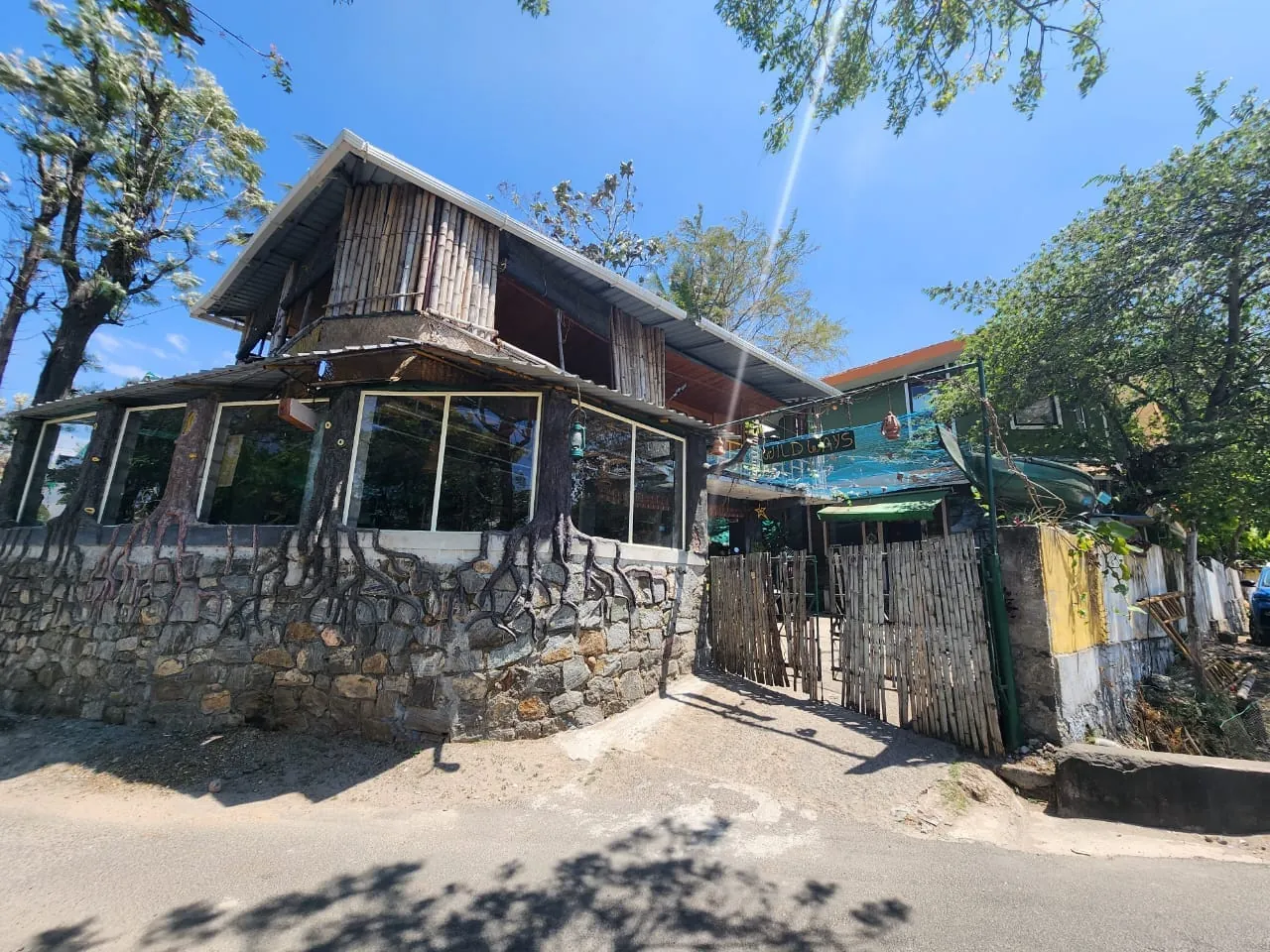
Wild Ways homestay with its stone base and wooden upper floor

Our story

A little home in the wild. A lifetime of stories. Come for the wild, stay for the warmth.

Wild Ways homestay building with a stone base and wooden upper floor under a blue sky Reception and common area with plants and wooden furniture

A little home in the wild

Nestled along the banks of the Mayar River in Masinagudi, where the forests of Mudumalai meet the foothills of the Nilgiris, Wild Ways is one of those places that stays with you long after you’ve left.

An intimate, family-run homestay with just four guest rooms, including two log cabins, Wild Ways has been welcoming travellers since 2000. This Ministry of Tourism–approved homestay has grown through genuine friendships, shared experiences and the simple pleasure of making people feel at home.

At its heart is Indra Sainul Abid, whose warmth and thoughtful hospitality make Wild Ways what it is. Her kitchen brings together fresh local ingredients and flavours from a variety of cuisines. Conversations unfold around the table, and nobody remains a stranger for very long.

  • Family-runWelcoming guests since 2000
  • Home-cookedMeals made with care
  • In the wildBeside the Mudumalai forests

Meet Abid: a life written by the forest

Some people discover the wilderness. Others grow up belonging to it.

For Sainul Abid, the forests of Masinagudi are home, heritage, classroom, livelihood and a lifelong passion. His grandparents travelled from Kerala to the Nilgiris during the construction of the Mayar Dam, and Abid was born and raised in Mayar, surrounded by forests and wildlife.

Formal schooling ended after Class Eight, but his education in the natural world was only beginning. The forest became his classroom and its inhabitants his teachers. In 1984 he began his journey in wildlife tourism with jeep safaris, long before Masinagudi became a familiar destination for nature lovers.

An avid birder, wildlife photographer, naturalist, conservationist and community leader, he knows where to look, when to listen and, perhaps most importantly, when to simply be still. As Vice-President of the Masinagudi Eco Naturalist Club, active since 2008, he supports initiatives that build ecological awareness among schoolchildren and local residents.

Explore the wilderness with someone who has spent his life learning its language.
  • 42years in ecotourism
  • 30years in birding tourism
  • 25years behind the wildlife camera

Abid brings the forest closer. Indra makes you feel at home.

Together they have created something increasingly rare in travel: a place with a personality, a history and a genuine sense of belonging.

For the love of birds

Follow a call. Catch a glimpse. Discover a whole new world.

The varied habitats around Achakarai Road and the surrounding forests offer opportunities to encounter around 100 bird species, from spectacular birds of prey to elusive woodland specialists.

Whether you’re a first-time birdwatcher or a dedicated birder searching for a particular species, Abid’s decades of field experience add a whole new dimension. For serious birders he offers guidance for targeted birding, drawing on his intimate knowledge of the region’s habitats, calls and behaviour.

Explore birding with Abid

~100 bird species around Achakarai Road

  • Brown Fish Owl
  • Crested Hawk-Eagle
  • Crested Serpent Eagle
  • Woodpeckers
  • Storks
  • Kingfishers

Bird sightings depend on season, weather, habitat conditions and the delightful unpredictability of nature.

From our tiger diaries

Moments captured by the Wild Ways family on their travels through India’s tiger forests.

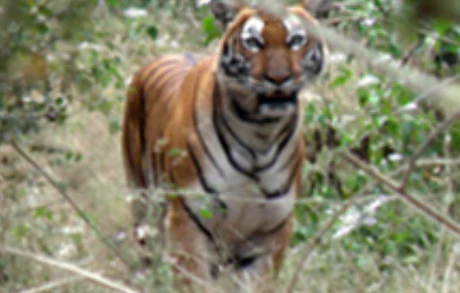
Mudumalai Tiger

Photo by Abid, Wild Ways Ecotours

21 December 2009, 6 pm

Tiger walking towards the camera through green undergrowth in Mudumalai
Mudumalai · 2009

Travel the wild way

What we believe, and how we ask every guest to treat the forest.

Conserve nature

No matter how far your journey, you are always on your home ground: Mother Earth. For her hospitality she asks very little in return.

Wherever we travel, respect her landscape, value her local traditions and conserve her resources. It is only if we travel this way that we can gift our children the same generous planet to explore.

Our earth

The air we breathe and the water we drink stem from the biodiversity of our shared environment and its economics.

“The tiger is at the centre of this truth. If it goes, we go.”

Do’s and don’ts in the sanctuary

Eco commandments for protected areas. Forest Department rules always apply and can change.

  • Do: Enter the sanctuary only with permission and during the specified hours.
  • Do: Wildlife sighting is a matter of chance. Appreciate the whole habitat, not just the big animals.
  • Do: Wear dark, muted clothes to blend in, and skip perfume or deodorant on safari.
  • Do: Keep absolute silence on jeep rides for better sightings.
  • Don’t: Never get down from the vehicle. Entering the jungle on foot is prohibited.
  • Don’t: No spotlights, fast driving or blowing of horns.
  • Don’t: No shouting at, teasing, chasing or feeding animals.
  • Don’t: No fires, smoking, music, cooking or littering, and no bathing, washing or fishing in the river.
  • Don’t: No alcohol and no arms inside the sanctuary.

Come as guests. Leave as friends.

Whatever brings you here, we hope you’ll leave with stories to tell, friendships to cherish and a little bit of the wild in your heart.

Explore experiences